Camo Hunting 20oz Tumbler Wrap PNG Review
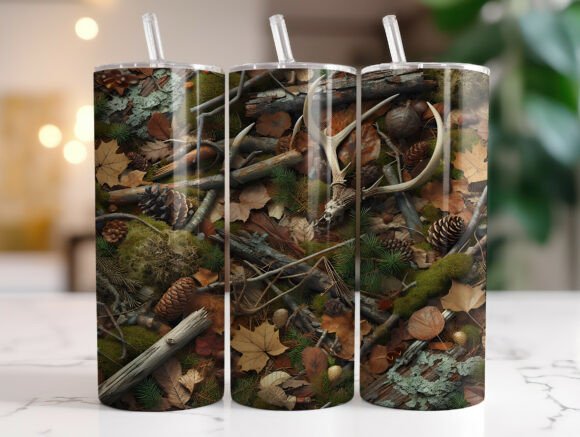
When I first opened the Camo Hunting 20oz Tumbler Wrap PNG, I was struck by how clearly the design reads as both rugged and purposeful. This isn’t one of those generic camo patterns that feels like an afterthought. The layout respects the tapered shape of a tumbler while keeping the camouflage motif front and center. As someone who regularly evaluates embroidery files and digital design assets for real-world projects, I’ve learned to look past the preview image and think about how a design will behave once it’s stitched, worn, washed, and handed to a customer. This one immediately made me think of custom apparel for outdoor enthusiasts, small shop merchandise aimed at hunters and fishermen, and personalized gifts that need to feel both masculine and intentional.
The Camo Hunting 20oz Tumbler Wrap PNG comes as a digital file for instant download, with both a straight PNG and a tapered PNG, both at 300 DPI. The design measures 9.3 by 8.2 inches, which gives you a solid canvas to work with. For embroidery designers like me, that resolution and size matter because they affect how the design translates into stitch files and how it scales across different products. Let me walk through what this design actually feels like in practice, where it shines, and where you might want to be cautious.
First Impressions and the Mood It Creates
This design has a grounded, outdoorsy personality. It’s not trying to be trendy or flashy. Instead, it leans into a classic hunting aesthetic that feels familiar and trusted. The camo pattern is dense enough to look authentic but not so chaotic that it overwhelms the eye. That balance is important for embroidery because high-contrast, busy designs can sometimes lose definition when stitched onto fabric. The shape is clearly built for a tumbler wrap, but as a designer, I immediately started thinking about how the same visual rhythm could work on a sweatshirt, a tote bag, or even an embroidered patch.
The mood here is practical, confident, and understated. It’s the kind of design that a customer buying a gift for a hunter or outdoorsman would reach for without hesitation. It communicates “I know what you’re into” without needing a lot of explanation. For a small business owner or Etsy seller, that kind of instant recognition is valuable. It reduces the friction between a customer seeing the product and deciding to buy.
Thinking Through a Real Project: Custom Sweatshirts for a Local Hunting Club
Let me set a real scenario. A few months ago, I was working with a local hunting club that wanted custom embroidered sweatshirts for their members. They wanted something that felt like a badge of belonging, not just a logo slapped on a piece of clothing. I considered a few different design directions, and a camo-based layout similar to the Camo Hunting 20oz Tumbler Wrap PNG would have been a strong candidate. The pattern’s even distribution and moderate detail level would stitch cleanly onto a mid-weight fleece sweatshirt without excessive thread breaks or density issues.
For that kind of project, I would have used the tapered PNG as a reference to build a machine embroidery file, adjusting the scale slightly to fit a chest or back placement. The design’s 9.3 by 8.2 inch size is versatile enough to work as a central motif or as a larger backdrop element. I would have recommended a medium-weight cutaway stabilizer and tested the design on a scrap sweatshirt first to confirm that the fill stitches didn’t distort the fabric. The camo pattern’s organic shapes actually help disguise minor stitching inconsistencies, which is a practical advantage when you’re producing multiple units.
That’s the kind of thinking this design invites. It’s not just a pretty graphic. It’s a functional asset that can be adapted for real merchandise without a lot of headaches.
How the Design Performs Across Different Products
One of the first things I evaluate in any digital embroidery file or design asset is how flexible it is across different product categories. The Camo Hunting 20oz Tumbler Wrap PNG is clearly built for tumblers, but its visual structure lends itself to a wider range of applications.
- Custom apparel – Sweatshirts, t-shirts, and hoodies are natural fits. The camo pattern works well as a chest or back design, especially when paired with a name or number in a contrasting thread color. The moderate detail level means it won’t cause excessive stitch density that makes fabric pucker.
- Tote bags and aprons – For craft fair products or small shop merchandise, this design adds a rugged, outdoorsy feel. On a canvas tote or a heavy-duty apron, the pattern reads clearly and feels substantial.
- Embroidered patches – If you’re making patches for hats, jackets, or bags, the camo layout works beautifully as a background fill. The organic shapes hide the edges of patch borders well, and the design’s even density helps the patch lie flat.
- Pillow covers and blankets – For home decor items aimed at hunters or outdoor enthusiasts, this design brings a cohesive theme. It’s bold enough to be a statement piece but not so loud that it clashes with other decor.
- Personalized gifts – Adding a name or monogram to the design creates a thoughtful, custom feel. The camo pattern provides a neutral but themed backdrop that makes the personalization stand out.
- Printable mockups and digital product previews – The high-resolution PNG files are ready to use for mockups, which is a huge time-saver for Etsy sellers and digital product creators. You can drop the design onto a tumbler template and have a professional-looking listing image in minutes.
Where to Use This Design Carefully
No design is perfect for every situation, and the Camo Hunting 20oz Tumbler Wrap PNG has a few considerations that any experienced designer should think through before committing to a project.
- Small hoop sizes – If you’re working with a 4x4 hoop, the full design may not fit without scaling it down significantly. At smaller sizes, the camo pattern can become too dense and lose its visual clarity. I recommend testing a scaled version on scrap fabric first to see if the details hold up.
- Textured or stretchy fabrics – Fabrics like fleece, knit, or stretchy blends can distort the design if the stitch density is too high. Use a stabilizer that matches the fabric weight, and consider a test stitch-out before committing to a production run.
- Dark fabric backgrounds – The camo pattern uses a mix of light and dark tones. On very dark fabric, some of the lighter elements may blend in if the thread colors aren’t adjusted. I recommend using a light underlay or choosing thread colors with enough contrast to separate the pattern from the background.
- Curved surfaces like caps – While the design is built for a tumbler, which is curved, caps have a different curve profile. The pattern may need to be adjusted or split into smaller sections to wrap around a cap front smoothly.
- Dense stitch areas – Camo designs often have areas where multiple stitch types overlap. Check the stitch density before finalizing your file. If it’s too dense, the fabric may feel stiff or the design may cause hoop burn.
- Frequent washing – For products like tea towels, baby items, or kitchen aprons that will be washed often, make sure the design is digitized with enough underlay and proper stitch angles to prevent fraying or distortion over time.
Visual Appeal, Stitching Clarity, and Product Value
When a customer sees a finished product with this design, the first thing they notice is the overall mood. The Camo Hunting 20oz Tumbler Wrap PNG creates a sense of authenticity and purpose. It doesn’t feel like a generic clip-art camo. It feels like something that was designed with a specific product category in mind, and that translates into higher perceived value.
From a stitching clarity perspective, the design’s moderate detail level is a strength. It has enough variation to be interesting but not so much that small details get lost in the embroidery process. Fill stitches and satin stitches will both work well here, as long as the density is managed. The pattern’s organic shapes actually help hide minor registration issues, which is a practical advantage for production runs where consistency matters.
For handmade products and personalized gifts, this design adds a layer of professionalism. It tells the customer that you thought about the theme and the product together. That kind of brand consistency builds trust, especially for small shop owners and Etsy sellers who are competing with larger retailers. A well-executed camo design on a tumbler or sweatshirt can be the difference between a one-time buyer and a repeat customer.
Practical Embroidery Designer Notes
Before you use the Camo Hunting 20oz Tumbler Wrap PNG in any commercial or personal project, here are the steps I always recommend based on my own experience.
- Test on scrap fabric first. No matter how good the design looks on screen, stitch it out on a fabric similar to your final product. This will reveal any density issues, thread breaks, or distortion problems.
- Check thread color contrast. The camo pattern works best when there is enough contrast between the thread colors and the fabric. Test a light and dark version to see which reads better.
- Review stitch density. If you’re converting the PNG into a machine embroidery file, pay attention to the stitch count. High density can cause problems on thin or stretchy fabrics.
- Confirm hoop size. At 9.3 by 8.2 inches, this design requires a hoop that can accommodate that area. If your hoop is smaller, you may need to scale the design or split it into sections.
- Inspect small details. Zoom in on the PNG to check for any fine lines or tiny elements that might not stitch cleanly. Simplify those areas if needed.
- Test in black and white mockups. This helps you see the design’s structure without the distraction of color. It’s a good way to evaluate whether the shapes and layout are balanced.
- Compare light and dark fabric backgrounds. The same design can look very different on a white shirt versus a dark green one. Test both to see which version you prefer.
- Use proper stabilizer. For most apparel applications, a medium-weight cutaway stabilizer is a safe choice. For thicker fabrics like canvas, consider a heavier stabilizer.
- Check licensing before selling. The product description states that this is a digital file for instant download, but it does not specify commercial use terms. Before you sell finished items or digital products featuring this design, confirm the license with the seller. This is a step many crafters skip, and it can cause problems later.
Final Thoughts on the Camo Hunting 20oz Tumbler Wrap PNG
This design is a solid addition to any digital product library, especially for designers and small business owners who work in the outdoor, hunting, or rustic gift markets. The Camo Hunting 20oz Tumbler Wrap PNG delivers a clear, authentic camo pattern that translates well into embroidery projects and handmade products. It’s versatile enough to use on tumblers, apparel, bags, patches, and home decor, and its moderate detail level makes it forgiving for production runs.
As with any digital design asset, the key to success is testing and preparation. Take the time to stitch it out, adjust your thread colors, and match the stabilizer to your fabric. The design itself is a strong foundation, but your craftsmanship will determine how it performs in the real world. For Etsy sellers, craft fair vendors, and custom apparel decorators, this design offers a reliable way to serve customers who want something that feels genuine and well-made. It’s not a flashy trend piece, but that’s exactly why it works. It’s built for projects that need to last, both in terms of physical durability and customer satisfaction.