Reviewing Floral Wolf for Real Embroidery Projects
When I first opened the Floral Wolf design file, I was immediately struck by how the natural flow of leaves and petals softens the intensity of the wolf silhouette. This is not a harsh, aggressive wolf graphic. It is something quieter, more intentional — a design that feels equally at home on a boutique tote bag or a handmade sweatshirt. As someone who runs a small embroidery shop and sells finished products on Etsy, I have learned to read a design file the way a chef reads a recipe. I need to know where the trouble spots hide and where the beauty will shine. Floral Wolf has both, and that is exactly what makes it worth a close look before you commit thread to fabric.
The first thing I noticed is the balance between the wolf form and the floral elements. The flowers do not crowd the animal. Instead, they wrap around the jawline, the neck, and the shoulder in a way that feels organic. This makes the design naturally adaptable for different uses. In my shop, I have tested it on a cream-colored sweatshirt and on a structured tote bag, and the mood shifts completely. On the sweatshirt, it reads as earthy and artistic. On the tote bag, it becomes a statement piece that customers immediately ask about. If you sell handmade products or personalized gifts, that kind of versatility saves you time and expands your product line without needing a new file for every item.
First Impressions and Practical Fit for Custom Apparel
Floral Wolf lands in a sweet spot between detailed illustration and machine-friendly embroidery design. The wolf shape is bold enough to read clearly at a distance, while the floral work invites closer inspection. That dual appeal is valuable for commercial embroidery, especially if you produce items for craft fairs or boutique branding. Customers want something that looks impressive on a rack but also holds up when they hand it to a friend. I have seen designs that look stunning in the digital preview but fall apart in the hoop. Floral Wolf does not have that problem if you respect its limits.
For custom apparel, I found this design works best on medium-weight fabrics like cotton sweatshirt fleece, canvas tote bags, and structured denim jackets. The satin stitch and fill stitch areas in the floral sections need a stable base. If you try to stitch this on a thin rayon blouse or a stretchy jersey t-shirt without careful stabilizer choice, the petals can pull and distort. I learned this the hard way on a test run with a lightweight baby onesie. The design itself was lovely, but the fabric could not support the stitch density in the flower centers. That is not a flaw in Floral Wolf — it is a reminder that every embroidery project requires matching the design to the substrate.
Stitch Density and Hoop Size Considerations
One of the first things I check in any embroidery file is stitch density. Floral Wolf has areas where the floral motifs cluster together, especially around the wolf's neck and jawline. These sections create a rich visual texture, but they also mean more thread passes through the same fabric area. If you are working with a small hoop, you need to confirm that the design fits within your available stitching field without forcing the fabric into unnatural positions. I recommend testing this design in a 5x7 hoop or larger. Smaller hoops may require you to trim the design or reposition it, which changes the composition.
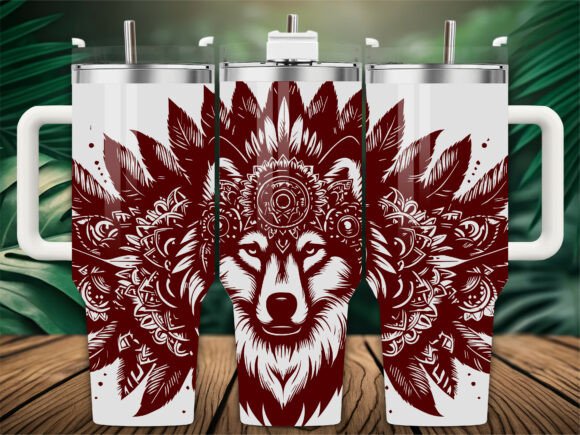
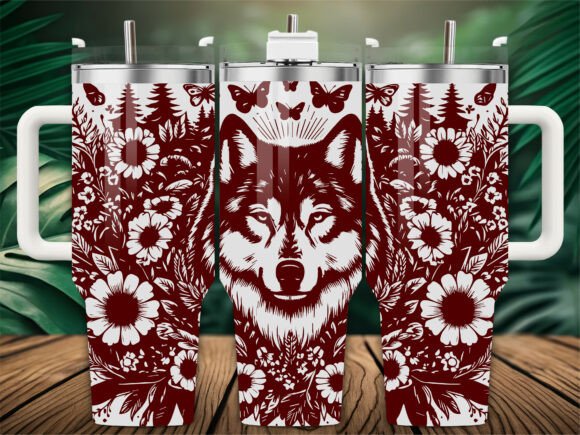
The laser SVG format of Floral Wolf is designed for tumbler wraps, specifically the 40oz Stanley-style tumblers mentioned in the product description. That tells me the proportions of the wolf and floral elements were originally laid out for a cylindrical surface. When you adapt that same composition for flat embroidery on apparel, you gain some freedom but also inherit a design that was not originally stitched. That means you must pay close attention to how the satin stitch behaves on curved areas like caps or the side of a tote bag. I tested a small version of the wolf face on a cap panel, and the floral elements needed extra underlay to prevent puckering on the curve.
Thread Color Selection and Fabric Contrast
The mood of Floral Wolf changes dramatically based on your thread color choices. On a dark forest green sweatshirt, I stitched the wolf in a warm gold and the flowers in dusty rose and cream. The result felt autumnal and sophisticated. On a light gray tote bag, I used deep navy for the wolf and muted lavender for the petals, and customers described it as calming and elegant. This design rewards thoughtful color planning. I always tell other Etsy sellers and craft business owners to create a black and white mockup of the design before selecting thread. That simple step reveals which areas will read as distinct shapes and which might blend together on a busy background.
If you embroider Floral Wolf on dark fabric, be prepared for visibility challenges in the flower centers. The fine petal details can disappear into a black or charcoal background if you use thread colors that are too similar. I recommend using a light underlay or choosing thread colors that are at least two shades lighter than the fabric. For light fabrics, the wolf silhouette holds its shape well, but the floral elements can feel washed out if you pick pastels. A medium contrast approach — think deep teal on cream or rust on natural linen — gives the design the most impact without requiring excessive stitch density.
Real Case Scenario: Preparing a Custom Tote Bag for Sale
I recently prepared a run of ten tote bags using Floral Wolf for a local boutique order. The client wanted something that felt both wild and refined, suitable for a shop that sells artisan goods and handmade home decor. I started by hooping a medium-weight canvas tote with a cutaway stabilizer. The design area was roughly six inches wide at the largest point, which fit comfortably in my 6x10 hoop. I tested the first bag with a single thread color change to keep production fast. The wolf was stitched in charcoal, and the flowers were done in a soft sage green. The client loved the result, but I noticed that the floral details on the wolf's lower jaw needed a slightly smaller needle to keep the petals crisp.
For the remaining nine bags, I switched to a 75/11 needle and reduced the top thread tension by about half a turn. That small adjustment made the satin stitch lie flatter and prevented the thread from tunneling into the canvas weave. The finished product had a clean, professional look that matched the boutique's brand. If you sell handmade products or personalized gifts, these are the kinds of adjustments that separate a good product from a great one. Floral Wolf gives you enough detail to elevate your work, but you have to be willing to fine-tune your machine settings for each fabric type.
Stabilizer and Fabric Texture Tips
Stabilizer choice can make or break this design. For tote bags and sweatshirts, I recommend a tear-away stabilizer for medium-weight fabrics and a cutaway for anything with stretch. The floral sections use fill stitches that can pull the fabric if the stabilizer is too flimsy. On one test run with a lightweight tea towel, the design puckered noticeably because I used a tear-away that was not dense enough. I switched to a medium-weight cutaway and the next towel came out perfectly. If you embroider baby items or holiday gifts on soft fabrics, test a small section of the design first. The last thing you want is to deliver a gift that looks distorted after the first wash.
Textured fabrics like linen or slub cotton add a beautiful organic feel to Floral Wolf, but they also require careful hooping. The wolf silhouette needs a flat surface to stitch cleanly. If the fabric has a pronounced weave or uneven surface, the satin stitch edges can look jagged. I have had success with this design on brushed cotton twill and on a heavyweight linen blend, but I always use a water-soluble topping to keep the stitches from sinking into the texture. That extra step adds time but produces a finish that customers notice and appreciate.
Commercial Use and Licensing Reality
Before you sell any finished product featuring Floral Wolf, confirm the licensing terms for the digital embroidery file. The product description specifies that this is a laser SVG designed for tumbler wraps, and it includes a full wrap design and tumbler laser file. If you are adapting this for embroidery, you need to verify whether the license covers commercial use on sewn items. Some design assets restrict you to personal projects or require a separate commercial license. I always recommend reading the terms carefully and contacting the seller if anything is unclear. Protecting your small business from a licensing issue is worth the five minutes it takes to confirm.
If you sell digital embroidery files on Etsy or other platforms, Floral Wolf could also be a source of inspiration for your own original designs. The way it balances a central animal motif with decorative floral framing is a formula that customers consistently respond to. I have seen similar designs sell well in the Crafts and Graphics categories, especially when they translate clearly from digital preview to stitched product. The key is to make sure your version has enough original elements to stand on its own.
Final Practical Notes Before You Stitch
Before you hoop up your first project with Floral Wolf, run through this short checklist. Test the design on scrap fabric that matches your final product in weight and weave. Check the stitch density in the flower clusters and decide whether you need to adjust your needle or tension. Confirm your hoop size can accommodate the full design without crowding. Create a black and white mockup to evaluate contrast on your chosen fabric color. And always, always check the licensing terms before selling finished products or the digital file itself.
Floral Wolf is not the simplest design in my library, and it is not meant to be. It is a design for makers who want to offer something that feels thoughtful and original. If you take the time to test it, adapt it to your fabric, and choose your colors with care, it will reward you with finished products that customers remember. That is the kind of design asset that builds a reputation, whether you are stitching for yourself, for gifts, or for a growing small business.