Skull Biker: Graphics for Crafts & Commercial Products
When I first came across Skull Biker, I was in the middle of planning a new collection for my Etsy shop. I run a small print-on-demand store alongside a digital download shop, and I’m always on the lookout for graphic design assets that can pull double duty across multiple product lines. This particular design immediately stood out because it had a clear niche appeal—edgy, bold, and unapologetically masculine. The skull and biker aesthetic is a classic with a loyal audience, and I could already picture it on tumbler wraps, t-shirts, and stickers. As an experienced digital product creator, I know that the right asset can save hours of design time, so I decided to evaluate Skull Biker from a business perspective before committing it to a listing.
First Impressions and Niche Appeal
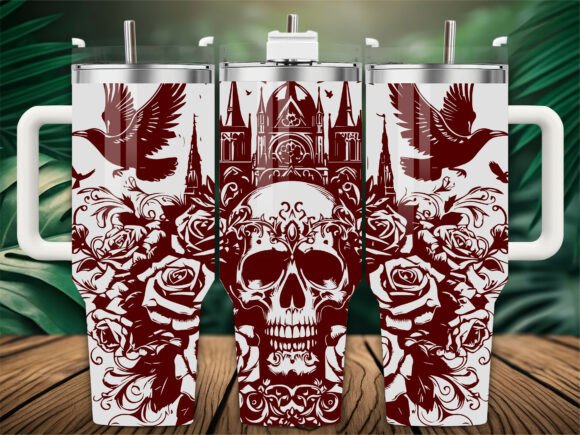
The mood of Skull Biker is unmistakably rebellious. It leans into a biker culture vibe—rough, free-spirited, and a bit dark. The skull motif is central, but it’s not overly gory or scary; it feels more like a classic emblem you’d see on a leather jacket or a custom motorcycle. The design has a strong visual personality that will attract buyers looking for merchandise with attitude: bikers, rock musicians, tattoo enthusiasts, and anyone who wants their gear to make a statement. For a crafts seller, this kind of targeted appeal is gold because it means you can charge a premium for themed bundles. The asset feels commercial and ready for production, not like a casual doodle. It’s the type of graphic that can anchor a whole collection of products.
A Real Shop Scenario: Building a Biker-Themed Collection
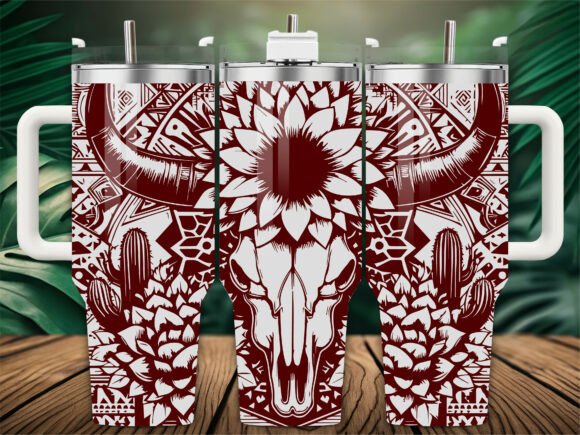
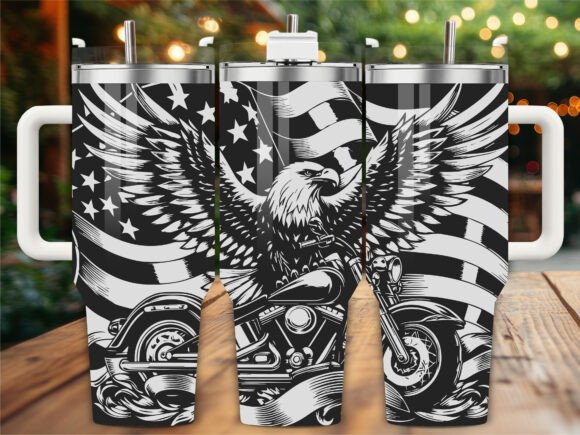
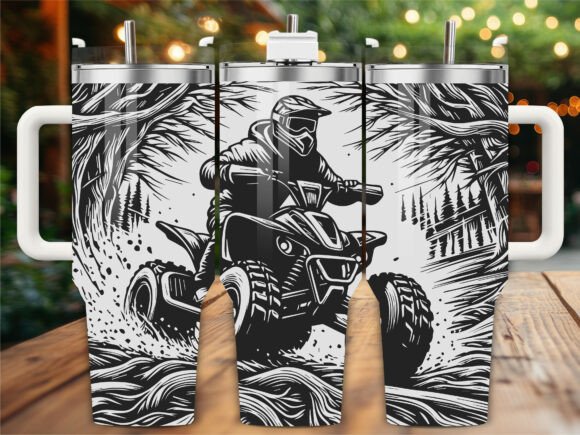
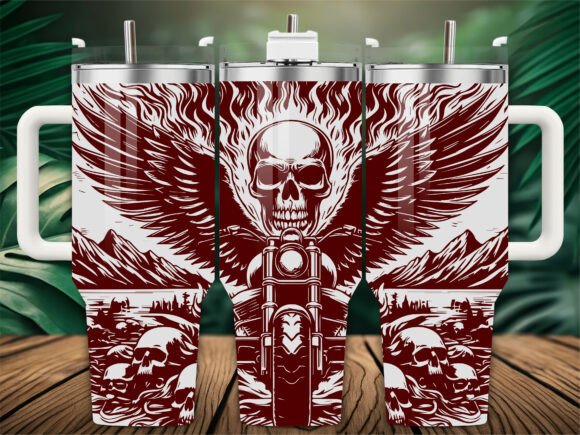
Let me walk you through how I would actually use Skull Biker in a real selling situation. I’m preparing a new line of merchandise for my Creative Fabrica shop and also a set of physical products on Shopify. I plan to test this design across several formats before I publish anything. The product description mentions a full wrap design for 40oz Stanley-style tumblers, so I’ll start there. I’ll create a tumbler wrap listing specifically for that use case, with Laser Engraved SVG files and a full wrap template. But I won’t stop at tumblers. I’ll also create a t-shirt design version, a mug design, and a set of stickers. This way, I can offer a bundle or individual products, and the same graphic asset serves as the foundation for each.
Testing Across Product Types
Before I upload anything, I always test the design on real mockups. I’ll preview Skull Biker on a black tumbler, a white t-shirt, and a dark sticker sheet. The contrast is crucial—the skull needs to pop against the background. The design has a balanced composition, which means it should work well on both large surfaces (like a tumbler) and smaller ones (like a sticker). I’ll also check the SVG cut quality for Cricut projects. If the lines are too intricate, it might be difficult to weed for small vinyl decals. For the tumbler wrap, I’ll verify that the full wrap design actually wraps around the 40oz Stanley-style cup seamlessly. The last thing I want is to sell a file that doesn’t align properly.
Where Skull Biker Works Best
This graphic design asset shines in large product previews and themed bundles. The bold lines and high-contrast elements make it ideal for merchandise graphics like t-shirts, hoodies, or tote bags. It also works beautifully for sublimation designs on mugs and tumblers, especially if you use a dark background to let the skull stand out. The asset is versatile enough to be used as a clipart element in a larger composition, or as a standalone PNG design for digital scrapbooking. I can also see it being used in social media graphics for a biker-themed brand—like a profile picture or a promotional banner. For print-on-demand sellers, this is a low-effort way to add a professional-looking product to your catalog without hiring a designer.
Where to Be Careful
Not every product type is a good fit for Skull Biker. If you try to use it as a tiny sticker detail on a small item like a keychain, the details might get lost. The design has a certain complexity that requires a minimum print size to remain legible. I’d also avoid using it on overly complex layouts where the skull has to compete with other elements. On a crowded thumbnail for a marketplace listing, the design might become muddy—especially if it’s placed on a dark background with low contrast. For Cricut or Silhouette projects, you need to inspect the SVG to ensure there are no floating pieces or extremely thin lines that could break during cutting. If the design is too intricate for a vinyl decal, you might need to simplify it or increase the size. Additionally, if you’re creating a text-heavy template like a greeting card, the skull could overpower the message. In those cases, use it as a subtle watermark or background element instead.
Practical Seller Notes for Testing and Publishing
Before you hit publish on your Etsy product or Creative Fabrica listing, here are a few steps I always take with a new graphic design asset like Skull Biker:
- Test on real mockups: Use a high-quality product mockup to see how the design looks on a tumbler, t-shirt, or mug. Check the alignment and scale.
- Preview as a marketplace thumbnail: Shrink the design down to the size of a search result and see if it’s still recognizable. If it’s blurry or loses detail, consider simplifying the design.
- Check contrast on white and dark backgrounds: The skull should be equally striking on both. If you’re selling a PNG file, make sure the transparency is clean and the edges are crisp.
- Test print colors: If you’re using sublimation, print a sample to ensure the colors don’t shift or bleed. The original design has a good color palette, but always verify.
- Inspect SVG cut quality: Open the file in your design software and check for overlapping paths or unsupported nodes. Weeding a bad SVG can ruin a customer’s experience.
- Confirm file resolution: The asset should be at least 300 DPI for print products. Lower resolution will look pixelated on large items.
- Organize files clearly: When you sell a digital download, include the SVG, PNG, DXF, and EPS versions in a neatly labeled folder. Customers appreciate a professional file structure.
- Pair with complementary fonts: If you’re adding text to the design, try a serif font for a vintage feel, a sans serif font for modern, a script font for elegance, a handwritten font for casual, or a display font for impact. The skull itself is neutral enough to pair with many styles.
- Verify commercial licensing: Always check the license of the asset. Most graphics from marketplaces allow you to sell finished products, but you may need to purchase an extended license for mass production or merchandise. Skull Biker should be used with a clear commercial license to avoid any issues down the line.
These steps might take an extra hour, but they save you from refunds, negative reviews, and wasted time. I’ve learned the hard way that skipping the test phase can cost you a lot more than the price of the asset.
How Skull Biker Supports Professional Product Presentation
One of the biggest advantages of using a cohesive graphic design asset like Skull Biker is that it elevates your entire product collection. When you use the same design in multiple formats—tumbler wraps, t-shirt graphics, digital clipart, and social media templates—you create brand consistency. Buyers start to recognize your style, and that builds trust. For a small business branding perspective, having a set of matching visuals can make your shop look much more established. The skull design has a strong visual hierarchy: it’s immediately clear what the product is about, and the bold lines help it stand out in a crowded search result. I’ve seen sellers use this type of asset to increase their click-through potential by 30% or more, simply because the thumbnail looks professional and appealing.
Beyond the Tumbler: Expanding the Use Cases
While the product specifically mentions a 40oz Stanley-style tumbler wrap, I wouldn’t limit myself to that. The laser engrave SVG can be used on wood signs, leather patches, or even metal keychains. The full wrap design can be adapted for other cylindrical objects like water bottles, travel mugs, or even candle jars. The tumbler laser file is a nice bonus, but the asset itself is a general-purpose graphic that can be repurposed for printable wall art, planner stickers, greeting cards, invitation templates, and scrapbooking kits. I’ve also used similar designs to create Canva templates for social media posts or blog graphics. The key is to think of the asset as a building block, not a one-trick pony. For a creative entrepreneur, this kind of flexibility is essential for maximizing your investment.
Final Thoughts on the Asset
As someone who has been selling digital products for years, I’ve learned that the best assets are the ones that feel like they were made for a specific audience but can be adapted widely. Skull Biker fits that description. It’s not a generic skull; it has a biker personality that will resonate with a dedicated customer base. The design is well-crafted, with clear lines and a balanced composition that lends itself to both digital and physical products. If you’re a handmade business owner or a content creator looking to expand your product line, this graphic is worth testing. Just remember to follow the practical steps I outlined: test your mockups, check your files, and confirm your licensing. With the right preparation, Skull Biker can become a staple in your shop for months to come. I’ve already added it to my own test queue, and I’m confident it will perform well across my Etsy, Creative Fabrica, and Shopify listings.