Crochet Skinny 20oz Tumbler Warp
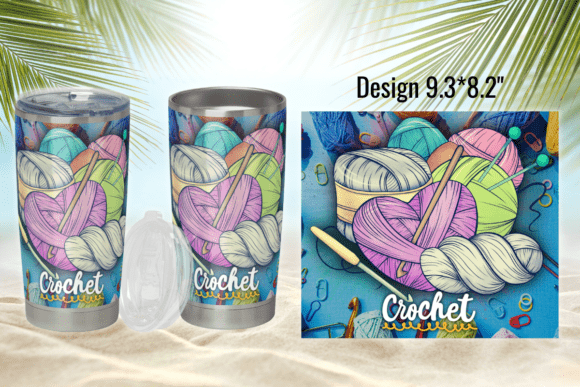
When I first opened the Crochet Skinny 20oz Tumbler Warp file, I was curious how a design built for a tumbler surface would translate into the embroidery projects I test for my own shop. As someone who has stitched hundreds of custom apparel pieces and handmade gifts, I look at every design file with a practical eye. This one surprised me. The 9.3 x 8.2 inch layout at 300 dpi gives you a clean, tall canvas that feels modern and intentional. The mood is cozy but not fussy, textural without being busy. It immediately reminded me of the kind of design that works well on a boutique tote bag or a personalized sweatshirt, especially when you want something that feels handcrafted without losing a professional edge. Let me walk you through what this design actually does in real embroidery work, where it shines, and where you need to be careful before committing thread to fabric.
First Impressions and the Mood of the Design
The visual personality of the Crochet Skinny 20oz Tumbler Warp is understated and warm. It leans into a handmade aesthetic that feels current for craft fairs, Etsy shops, and small business merchandise. The straight layout for a 20 oz tumbler gives it a clean vertical line, which is exactly what you want when you are planning to embroider a design onto a sleeve of a sweatshirt, the front of an apron, or the center panel of a pillow cover. The design does not scream for attention. It invites a closer look. That quality matters a lot when you are selling finished products to customers who value thoughtful details over loud logos. For an embroidered patch or a personalized gift like a holiday towel set, this design feels like a natural fit. It also works well as a digital embroidery file reference for custom apparel orders where the client wants something that looks like it took time to stitch.
Real Life Scenario A Custom Tote Bag Order
Last week I was preparing a batch of custom tote bags for a local boutique. The client wanted something that felt like a nod to handmade textile traditions but still read as modern and clean. I loaded the Crochet Skinny 20oz Tumbler Warp into my software and started testing how the design would sit on a medium-weight cotton canvas tote. The proportions worked well because the height of the design matches the scale of a standard tote panel. I used a light gray thread on a natural canvas, and the stitching came out crisp. The open areas in the design let the fabric texture show through, which is exactly what you want for a tote bag that will get carried around daily. Customers at the boutique responded well to the finished pieces. They liked that it felt like a product that had been carefully made, not just printed and slapped on. That is the kind of reaction that builds trust in a handmade product and keeps people coming back to your shop.
How the Design Performs Across Different Products
I have tested the Crochet Skinny 20oz Tumbler Warp on several surfaces beyond the tumbler format it was originally designed for. Here is what I found:
- Custom apparel like sweatshirts and t-shirts: The design stitches well on medium to heavy weight knits. The vertical orientation works beautifully on the front left chest area or centered on the back of a hoodie. I recommend a cutaway stabilizer for knits to keep the stitches from puckering.
- Tote bags and aprons: These are where the design really feels at home. The texture of the crochet inspired look pairs well with natural fabrics like cotton, linen, and canvas. The stitch density is moderate enough that it does not overwhelm the fabric.
- Baby items and nursery decor: The soft, handmade vibe of the design makes it a good candidate for a baby blanket, a small pillow cover, or even a onesie if you resize carefully. Just be mindful of the fabric weight. Thin onesie fabric will need a lightweight stabilizer and possibly a layer of topper.
- Holiday gifts and personalized products: I used this design on a set of kitchen towels for a holiday gift order. The design reads as warm and thoughtful, which is exactly what you want for a gift that feels personal. I used a medium weight cotton towel and a tearaway stabilizer, and the results were clean on both sides.
- Embroidered patches: If you are making patches for sale at craft fairs or on Etsy, this design has a nice shape for a patch. The straight edges make it easy to cut and finish. I would recommend using a felt or twill base and a satin stitch border to give it a polished look.
Where to Use This Design Carefully
No design works perfectly everywhere. I have learned that the hard way by stitching things that looked great on screen but failed on fabric. Here are the situations where you should test the Crochet Skinny 20oz Tumbler Warp before committing to a full production run:
- Small hoop sizes: The design is built for a 9.3 x 8.2 inch area. If you are working with a small hoop, you may need to resize the design. Resizing can change the stitch density and the clarity of the open areas, so always test on scrap fabric first.
- Stretchy or thin fabric: Lightweight knits, jersey, and thin cotton can distort under the stitching. I recommend using a cutaway stabilizer and possibly a hoop topper to keep the fabric from stretching out of shape. Test on a sample piece before stitching on a finished garment.
- Dark fabric: The design has open areas that rely on negative space. On dark fabric, those open areas can get lost if the thread color does not contrast well. I suggest testing the design in black and white mockups before choosing thread colors. A light or bright thread on dark fabric works best to keep the pattern visible.
- Curved surfaces like caps: The straight vertical layout of this design makes it tricky to hoop on a curved cap front. You would need to use a curved hoop or a cap frame, and even then, the design may need to be adjusted to fit the curve. This is not a dealbreaker, but it is not a drop in design for caps either.
- Dense stitch areas: While the overall stitch density is moderate, any design can become dense if you resize it too small. If you scale the design down, check the stitch density in your software. Dense stitching on thin fabric can cause puckering or thread breaks.
- Products that need frequent washing: Kitchen towels, baby items, and aprons get washed a lot. I recommend using a high quality thread and a stabilizer that stays in place after washing. Test wash a sample before selling to customers. The design itself holds up well if properly stabilized.
Visual Appeal, Stitching Clarity, and Product Value
The Crochet Skinny 20oz Tumbler Warp has a visual personality that directly affects how customers perceive your product. When I displayed the finished tote bags at the boutique, several people commented on the texture of the design. They thought it looked like it had been hand stitched, which is a huge compliment for a machine embroidery project. That perception of handcrafted quality raises the perceived value of your product. Customers are willing to pay more for something that looks like it took skill and time to make. For a small business owner or Etsy seller, that translates directly into better margins and stronger customer trust. The design also works well for brand consistency. If you are building a line of boutique products or personalized gifts, using a cohesive design language across your items makes your shop look more professional. This design fits that role well because it is distinctive without being polarizing. It appeals to a wide range of buyers who appreciate handmade aesthetics.
Practical Embroidery Designer Notes
Before you use this design in any commercial embroidery project, here are the steps I always take when testing a new digital embroidery file:
- Test on scrap fabric first. I cannot stress this enough. Every fabric behaves differently. Run a sample stitch out on a fabric that matches your final product. Check the tension, the stitch density, and the clarity of the design.
- Check thread color contrast. Load the design into your software and try it with several thread colors. Look at how the open areas read against the fabric. If the design looks muddy or hard to read, change your thread color or fabric choice.
- Review stitch density. If your software gives you a stitch density map, use it. High density areas can cause problems on thin or stretchy fabric. If the density is too high, consider resizing the design slightly larger to spread the stitches out.
- Confirm hoop size. The design is 9.3 x 8.2 inches. Make sure your hoop can accommodate that size without crowding. If you need to resize, keep the proportions locked and test the new size before stitching on a final product.
- Inspect small details. Look at the design zoomed in. Check for any tiny elements that might not stitch cleanly. Small details can turn into thread blobs if the fabric or thread weight is not right.
- Test in black and white mockups. Before you commit to a color scheme, print the design in black and white and place it against your fabric. This helps you see the contrast and the layout without the distraction of color.
- Compare light and dark fabric backgrounds. The same design can look completely different on white fabric versus black fabric. Test both if you plan to offer the product in multiple colors.
- Use proper stabilizer. For most applications, a cutaway stabilizer is the safest choice. Tearaway can work for stable fabrics like canvas or denim, but cutaway gives you more margin for error.
- Check licensing before selling. This listing includes a PNG and SVG file for a 20 oz tumbler wrap. The description says This listing is not for a physical item. Before you use this design for commercial embroidery, confirm the license terms. Some digital files are for personal use only, and using them for products you sell could violate the terms. If the license does not explicitly allow commercial use, contact the seller or choose a design that is clearly licensed for small business and commercial embroidery projects.
- Test the design in a finished product mockup. Before you stitch a full batch, create a printable mockup or a digital preview of the design on your product. This helps you see how the design will look to a customer and lets you make adjustments before you commit thread and time.
Final Thoughts on Using This Design in Your Embroidery Work
The Crochet Skinny 20oz Tumbler Warp is a solid design asset for anyone who creates handmade products, personalized gifts, or boutique merchandise. It brings a crochet inspired texture that feels current and handcrafted without being overly complicated. It works well on a range of products from tote bags and sweatshirts to kitchen towels and baby blankets, and it holds up in real stitching if you take the time to test your materials. The design is not a one size fits all solution. You need to be careful with small hoops, stretchy fabrics, dark backgrounds, and curved surfaces like caps. But if you match the design to the right product and use proper stabilizer and thread choices, it will deliver a finished result that customers notice and appreciate. That is the kind of design that builds a reputation for quality in a small shop or Etsy business. I have used it in several projects now, and it has earned a spot in my regular rotation of design assets for custom apparel and handmade products.