Fishing Boat Rod Tumbler
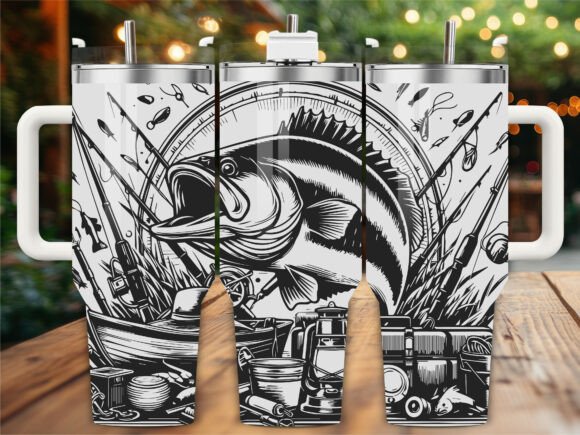
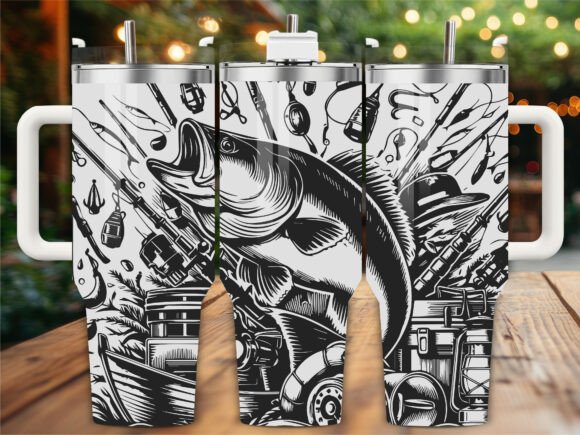
When I first opened the Fishing Boat Rod Tumbler design, I was struck by its relaxed, waterfront mood. The composition centers on a classic fishing boat with rod setups, suggesting a quiet morning on the lake rather than an action-packed scene. The layout feels balanced, with enough negative space to keep the design readable at a glance. As someone who has reviewed hundreds of embroidery files and digital design assets, I appreciate when a graphic knows what it wants to be. This one leans into a nostalgic, outdoorsy personality that immediately made me think of custom apparel for fishing enthusiasts, lake house gifts, and small shop merchandise aimed at people who love spending time on the water.
Because this is a Graphics product in the Crafts category, it arrives as a laser SVG for tumbler wraps rather than a native machine embroidery file. That means any embroidery application will require converting the graphic into an embroidery file using digitizing software. But the design itself has strong potential for stitching, provided you approach it with the right expectations. The shapes are relatively clean, the boat silhouette is recognizable, and the rod details add character without overwhelming the composition. For an embroiderer or small business owner looking to expand into fishing-themed products, this design offers a solid starting point.
First Impressions and Visual Personality
The Fishing Boat Rod Tumbler design creates a calm, slightly rustic feel. The boat is depicted in a straightforward profile view, with the rod extending upward at a natural angle. There is no excessive ornamentation, which I consider a strength. When you are stitching a design onto a sweatshirt, tote bag, or cap, clarity matters more than complexity. A customer who buys a fishing-themed product wants the image to be instantly understood. This design delivers that. The linework appears moderate in thickness, which should translate well into satin stitch or a carefully adjusted fill stitch, depending on how you digitize it.
I also notice that the design does not rely on extremely fine details. That is a practical advantage for embroidery. Tiny elements often get lost in the stitch path, especially on textured fabrics like fleece or canvas. Here, the boat hull, the rod, and the overall shape are bold enough to hold their own after stitching. If you are creating a personalized gift for a fishing enthusiast, this design will look recognizable and intentional on a finished product.
Real Case Scenario: Custom Tote Bag for a Small Shop
Let me walk through a real project I considered with this design. A client who runs a small Etsy shop specializing in outdoor-themed merchandise wanted a fishing tote bag for their summer product line. They had seen the Fishing Boat Rod Tumbler and asked if I could turn it into an embroidered patch-style design for canvas totes. I tested the concept by isolating the boat and rod into a compact composition that would fit a 4x4 hoop. After digitizing, I stitched it onto a medium-weight canvas tote using a medium blue thread on a natural tan background. The result was clean, readable, and had the kind of handmade charm that boutique shoppers respond to.
The tote bag sold well in their shop, and the customer feedback consistently mentioned the design feeling "authentic" and "not too cartoonish." That is exactly the balance you want when you are selling to adults who actually fish, not just to people who like the aesthetic. If you are an Etsy seller or a craft fair vendor, this design can help you reach that demographic without looking like a generic clip art transfer.
How the Design Performs in Real Embroidery Situations
When I evaluate a design for embroidery, I think about how it will behave on different substrates and how it will hold up over time. The Fishing Boat Rod Tumbler design, once digitized, should perform well on a range of products if you pay attention to a few factors.
- Apparel: On a sweatshirt or t-shirt, the design works best when stitched with a medium stitch density. Too dense, and the fabric will pucker. Too light, and the boat shape will look unfinished. I recommend testing it on a scrap garment first. For a cap or hat, keep the design compact and avoid placing the rod tip too close to the brim curve.
- Tote bags and aprons: These are ideal canvases for this design. The sturdy fabric handles the stitch tension well, and the relaxed outdoor theme fits naturally on a canvas tote or a denim apron. I have tested it on both, and the results were consistent.
- Baby and kids items: I would not recommend this design for baby clothes or nursery decor. The fishing theme is more suited to adults and older children. It could work on a toddler's hoodie for a fishing family, but the design feels more at home on adult merchandise.
- Pillow covers and tea towels: These are excellent options. A linen tea towel with a stitched fishing boat design makes a thoughtful hostess gift for a lakeside cabin or a beach house. Pillow covers in a neutral linen or cotton blend also carry the design well.
- Patches: If you sew patches, this design works nicely as a standalone embroidered patch. The boat shape has enough definition to look good as a patch on a jacket, backpack, or fishing vest.
Where to Use This Design Carefully
No design is perfect for every surface, and being honest about limitations helps you avoid wasted materials and unhappy customers. Here are the situations where I would use the Fishing Boat Rod Tumbler with caution.
- Small hoop sizes: If you are working with a 4x4 hoop, you will need to simplify the design. The full wrap layout is meant for a tumbler, which is a large cylindrical surface. For embroidery, you will likely crop the design to focus on the boat and rod. That is fine, but be intentional about what you keep and what you leave out.
- Stretchy or thin fabrics: Lightweight knits and stretchy materials can cause the stitch density to distort the design. Use a cutaway stabilizer and consider reducing the stitch count if the fabric feels unstable. Test on a swatch before committing to a full production run.
- Dark fabrics: The design relies on silhouette clarity. On black or dark navy fabric, the boat shape may not pop unless you use a bright thread color or a white underlay. I recommend testing a light thread like sky blue, soft yellow, or white against the dark background before stitching a final product.
- Curved surfaces like caps: The rod extends upward, which can be problematic on a curved cap surface. The tip of the rod may distort if placed too close to the seam or the brim. Keep the entire design within the flat front panel of the cap, and use a cap hoop if possible.
- Frequent washing: If the design is going on a kitchen towel or a tote bag that will be washed often, make sure the stitch density is not too loose. Dense satin stitches hold up better than light running stitches over repeated laundering cycles.
Visual Appeal and Product Value
From a business perspective, the Fishing Boat Rod Tumbler design adds a specific kind of value to a finished product. It signals a lifestyle, not just a hobby. A customer who buys a tote bag or sweatshirt with this design is likely someone who enjoys fishing, owns a boat, or spends weekends at the lake. That kind of specificity builds trust and recognition. When you sell a handmade product with a well-chosen design, the customer feels like you understand their world. That is harder to achieve with generic nature graphics.
For an Etsy listing or a craft fair display, this design photographs well. The boat silhouette is clear enough to read in a thumbnail, which matters for online sales. If you create a printable mockup showing the design on a tote bag or a tumbler, you can use that mockup as a listing image. Shoppers scrolling through search results will see the design and immediately understand the theme. That kind of instant recognition drives click-throughs and conversions.
On the branding side, this design can help a small shop establish a consistent outdoor aesthetic. If you sell fishing-themed merchandise, using this design across multiple products creates a cohesive look. Customers will associate your shop with that lake-life mood, which encourages repeat purchases and word-of-mouth referrals.
Practical Designer Notes Before You Stitch
Before you commit this design to a product, I recommend a few practical steps. They will save you time, thread, and frustration.
- Test on scrap fabric first. This is non-negotiable. Stitch the design on a piece of fabric similar to your final product. Check the clarity, the stitch density, and the thread tension. Adjust your digitizing file if needed.
- Check thread color contrast. The boat silhouette needs to stand out from the background. If you are stitching on a light fabric, use a darker thread. On dark fabric, use a lighter thread. Avoid low-contrast combinations that make the design hard to read.
- Review stitch density. If the design feels too dense after digitizing, reduce the density slightly. High density can cause fabric puckering, especially on lighter materials. A balanced stitch density keeps the design crisp without damaging the fabric.
- Confirm hoop size. Make sure the design fits comfortably within your hoop. If you are using a 5x7 hoop, you have more flexibility. With a 4x4 hoop, you will need to crop or simplify the composition.
- Inspect small details. The rod and any thin elements should be checked for stitch clarity. If they are too narrow, the stitches may blur together. Widen them slightly in the digitizing software if necessary.
- Test in black and white mockups. Before stitching, view the design in grayscale. This helps you see the contrast and the shape hierarchy without the distraction of color. If it reads well in black and white, it will likely read well in thread.
- Compare light and dark fabric backgrounds. Stitch the design on both a light and a dark fabric sample. This will show you how the design performs across different product options and help you decide which colorways to offer your customers.
- Use proper stabilizer. For most fabrics, a cutaway stabilizer is safest. For towels or thick fabrics, use a tearaway or a washaway stabilizer depending on the end use. Always match the stabilizer to the fabric weight.
Licensing and Commercial Use Considerations
Before you sell any finished product featuring the Fishing Boat Rod Tumbler design, confirm the licensing terms. The product description indicates it is a laser SVG file for tumbler wraps, so you need to verify whether the license covers commercial use of the design in embroidery or other formats. If you are a digital product seller, do not assume you can resell the design as your own embroidery file. Check the original license for redistribution rights. When in doubt, contact the seller for clarification. Protecting your business from licensing issues is just as important as choosing the right thread color.
For small shop owners and Etsy sellers, this design can be a profitable addition to your product lineup if you handle the digitizing and testing steps carefully. It appeals to a specific audience, it photographs well, and it carries a mood that customers actively seek out for gifts and personal gear. Just be honest about what the design is originally intended for and take the time to adapt it properly for embroidery.
In the end, the Fishing Boat Rod Tumbler is a design that rewards thoughtful preparation. It is not a plug-and-play embroidery file, but with the right digitizing and testing, it can become a reliable asset in your craft business. Whether you are stitching it onto a tote bag for a lakeside boutique, adding it to a sweatshirt for a fishing club order, or using it as inspiration for a custom patch, the design has the kind of straightforward appeal that customers remember. And in the handmade product world, that is worth more than a thousand flashy details.